
Can you remove cracks from resin driveways?
Resin driveways are still a highly popular choice for UK driveways, famous for their durability, smooth finishes and low upkeep. But like any driveway surface, they’re not completely immune to damage. Over time, cracks can appear, leaving you wondering whether repairs are possible or if a full replacement is the only option.
Luckily, in many cases, driveway cracks can be fixed with professional solutions.
What causes resin driveway cracks?
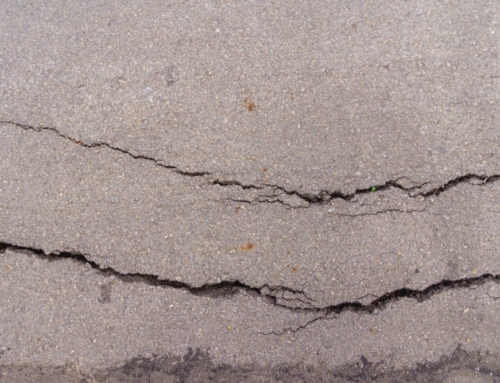
Cracks in resin driveways usually signal underlying issues beneath the surface rather than faults with the resin itself. The most common cause is poor sub-base preparation. If the foundation isn’t properly installed or compacted, it can shift over time, leading to cracks appearing in the resin layer on top.
Ground movement is another major factor. Natural settling, tree roots or changes in soil conditions can create extra pressure. Resin also expands and contracts in temperature changes, and repeated freezing and thawing can weaken the surface over time.
Other causes include heavy vehicle loads, incorrect resin mixing or poor installation practices, all reducing the resin’s flexibility and strength.
How do you fix cracks in resin driveways?
The driveway repair method depends on the severity of the crack. For hairline cracks, localised repairs are usually sufficient by cleaning the damaged area and applying a fresh resin mix that’s colour-matched to the original surface. When done professionally, these repairs can blend in seamlessly.
However, it’s important to address the root cause before repairs go ahead. If the issue is related to the base layer, simply filling the crack may only provide a temporary fix. For slightly larger cracks or damaged patches, the affected section can be cut out and replaced. This ensures a stronger and longer-lasting repair, particularly in high-traffic areas.
Read our blog on: Can you repair driveways?
When is it better to resurface your driveway?
In some cases, repairs aren’t enough. If cracks are widespread, recurring or caused by serious sub-base failure, resurfacing the driveway is the better long-term solution. This typically involves removing the damaged layer and installing a new resin surface on a properly prepared base. Resurfacing is also recommended when you notice additional issues such as loose stones, sinking areas or drainage problems.
Is resin the strongest driveway material?
When installed correctly on a solid base, resin driveways are designed to withstand daily vehicle use and typical UK weather conditions without cracking. However, compared to materials like concrete, resin offers more flexibility rather than sheer strength. This flexibility is actually an advantage, as it helps absorb minor movement without immediate damage.
Can you stop cracks in resin?
While you can’t guarantee that cracks will never appear, you can significantly reduce the risk. The most important step is ensuring a properly prepared sub-base, such as concrete or asphalt, that provides a stable foundation. Using high-quality materials, allowing proper curing time, and hiring experienced installers are also essential.
Resin driveways in Surrey and South London
We repair and resurface resin driveways in Banstead, Carshalton and beyond. For a free quote, contact UK Surfacings.